
FREE EBOOK · 2026 EDITION
The 2026 Guide to
Kidding Season
Step into the joy of new life with quiet confidence. Our comprehensive field manual gives lifestyle homesteaders, breeders, and miniature goat lovers the essential preparation checklists, birthing protocols, and early kid care routines for a flourishing season.
Instant PDF Delivery · 100% Free · 48-Page Field Guide

Trusted by 2,400+ Australian goat owners

Kidding Season Handbook
Preparation, Birthing & Early Care Essentials
AUDIENCE QUALIFICATION
Who is This Guide For?
Whether you are cultivating companionship, enriching guest stays, or caring for your land, discover how miniature goats fit your lifestyle goals.

Families & Children
For households seeking gentle companionship, joyful outdoor routines, and hands-on animal care that creates lifelong memories for young children.
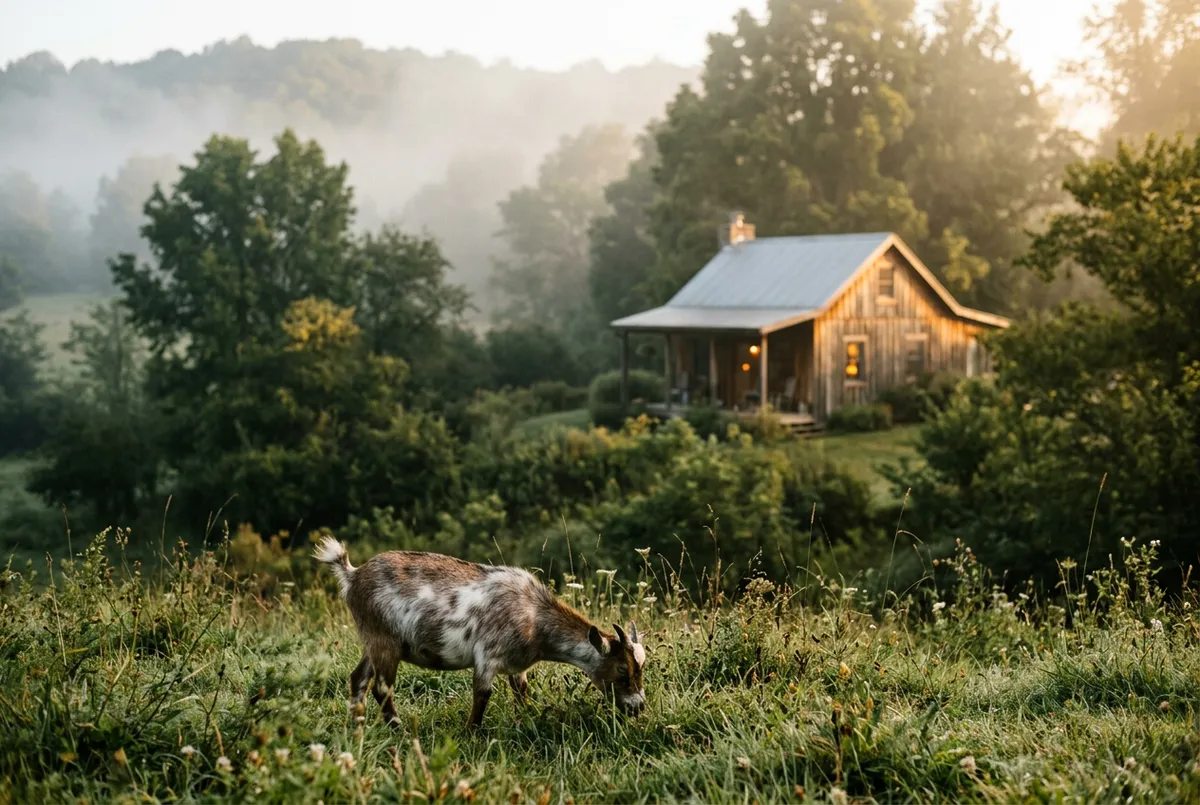
Farm Stay & Hosts
For rural hospitality owners wanting an irresistible guest attraction that enhances pastoral charm and drives memorable holiday bookings.
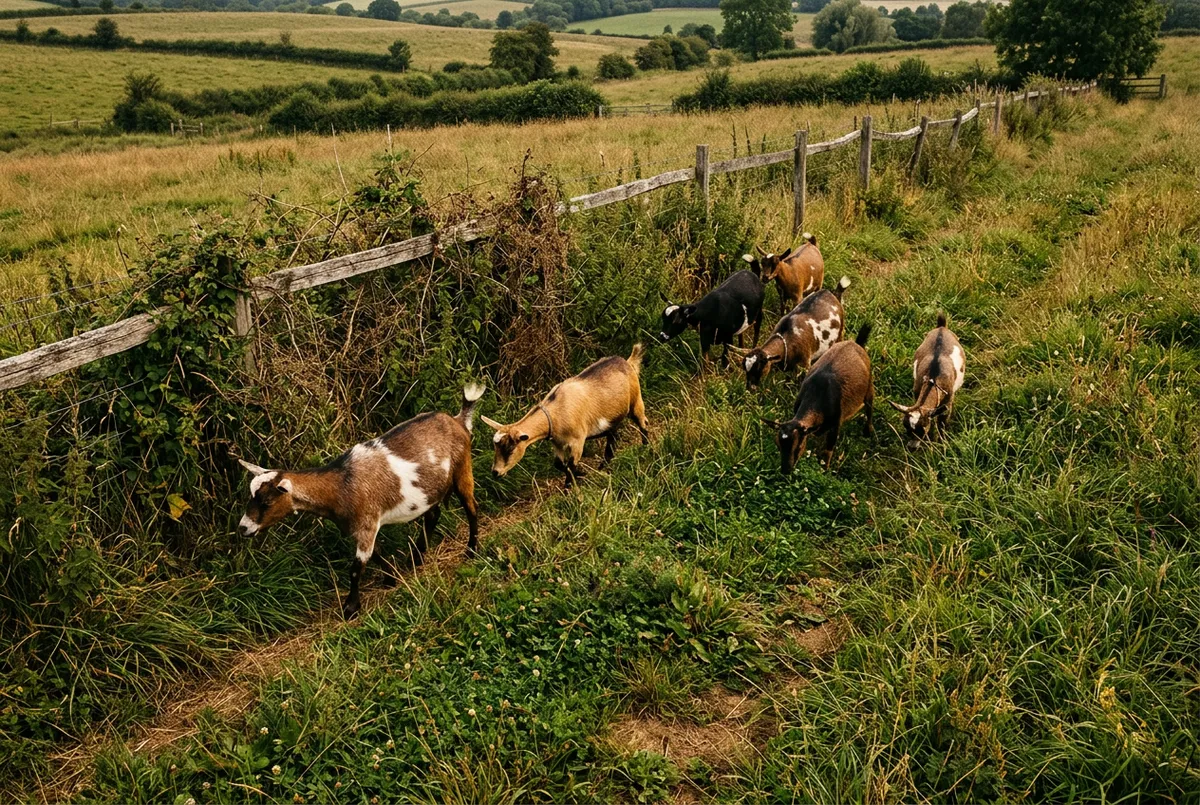
Property Managers
For smallholders and acreage caretakers desiring sustainable weed management, soil enrichment, and natural brush clearance without heavy machinery.
Artisan Butterfat & Sweet Cream
Nigerian Dwarf goats yield the richest milk in the dairy world, averaging 6% to 10% butterfat. Naturally sweet with zero 'goaty' bite, it transforms morning coffee, homemade kefir, and artisanal cheeses into daily culinary luxury.
Intuitive Companionship
Remarkably affectionate and playful, these miniature goats bond deeply with families, children, and retreat guests—naturally soothing the nervous system.
Regenerative Landcare
Natural browsers that tackle steep slopes, weeds, and blackberry brambles—enriching your topsoil organically while keeping fire hazards in check.
LIFESTYLE & PURPOSE
The Pastoral Advantage
More than miniature livestock, Nigerian Dwarf goats are gentle partners in a grounded, self-sufficient lifestyle. In a fraction of the acreage required by cattle, they provide wholesome nutrition, joyous presence, and effortless land stewardship.
- Naturally sweet milk with superior yield for small homesteads
- Intuitive, social animals that thrive with family connection
- Targeted biological brush control for pristine pastures
CHAPTER BLUEPRINT & CURRICULUM
Inside The 2026 Guide
A comprehensive, step-by-step master handbook curated by seasoned breeders to ensure complete confidence from pre-labor preparation through post-natal vitality.

Chapter 01: Birthing Kit Essentials
The exact checklist of veterinary supplies, sterile instruments, iodine dips, and herbal supports to pack in your barn kit weeks before the first due date.
Chapter 02: Nutrition for Mums
Precise mineral balancing, alfalfa rationing, and energy density shifts across trimester three to prevent hypocalcemia and sustain premium milk production.
Chapter 03: Newborn Care Protocols
Critical airway clearing techniques, colostrum intake benchmarks in hour one, warming box setups, and navel dipping steps for thriving kids.
Chapter 04: Troubleshooting & Delivery Milestones
Recognizing early stage-one labor cues, malposition interventions, when to assist safely, and emergency veterinary triage protocols.
KIDDING SEASON 2026
Prepare for Spring
The first arrivals will be here before the frost clears. Get your nursery shelter, essential kidding kit checklists, and gentle newborn protocols in place before labor begins in earnest.
PEACE OF MIND
Common Questions
Bringing goats into your life should feel thrilling, never intimidating. Here is straightforward guidance on space, daily routines, and kidding season so you can step forward with complete clarity.
Still curious about something specific?
Our team is always here to help you assess your property layout before you take the leap.
How much space and land do Nigerian Dwarf goats actually need?
Because miniature dairy goats are compact (weighing only 25 to 35 kg), they require significantly less acreage than full-sized livestock. A secure, fenced paddock of just 200 to 400 square meters is plenty for a bonded pair, provided they have a dry, predator-proof night shelter and climbing enrichment.
What is the realistic daily time commitment for a small herd?
Daily upkeep is refreshingly manageable. Basic chores: fresh water, hay top-ups, checking fencing, and quick health observations: take roughly 15 to 20 minutes each morning and evening. During active milking or kidding season, expect to spend an extra 20 to 30 minutes per day enjoying the routine.
Is kidding season difficult for beginners to manage safely?
Most Nigerian Dwarf does kid naturally without complication. With a clean kidding pen, an organized basic kit (towels, iodine, bulb syringe), and knowledge of what to watch for, first-time owners manage the process smoothly. Preparation and calm oversight are all that is needed for a joyful birthing experience.
Can I keep just one goat, or do they always need a companion?
Goats are deeply social herd animals and must never be kept in isolation. A solo goat will experience chronic stress, cry frequently, and struggle to thrive. We always recommend starting with a minimum of two: such as two wethers (neutered males) or a pair of does: so they stay calm and playful.
What kind of fencing and predator protection is required?
Miniature goats are curious and agile. We recommend sturdy 1.2-meter woven wire or ringlock fencing with a tight bottom gap to stop exploring hooves. A secure, draft-free night shed protects against foxes or roaming dogs while keeping your herd cozy through wet weather.
ZENDARA FARM · BYRON SHIRE, NSW
Goats · People · Land — A Brighter Way of Life.
Dedicated to ethical breeding, regenerative landcare, and gentle companionship in the Northern Rivers.
Direct Inquiries: [email protected] · Byron Shire, NSW, Australia


© 2026 Zendara. All rights reserved. · Miniature Goat Care & Pastoral Living.